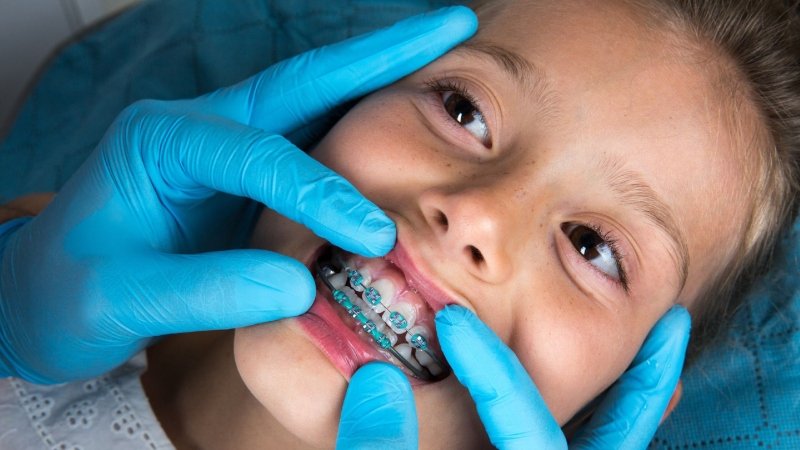
For many parents, learning that their teenager may need Teen Orthodontics treatment can feel overwhelming at first. Questions about braces, Invisalign, treatment timelines, costs, oral hygiene, and long-term outcomes often come up quickly. At the same time, teenagers themselves may feel nervous about how orthodontic treatment could affect their appearance, confidence, sports activities, or daily routines.
The good news is that modern orthodontics has become more advanced, comfortable, and personalized than ever before. With the right information and proper planning, parents can help their teens navigate treatment smoothly while supporting better long-term oral health. Understanding what to expect before treatment begins is one of the most important steps in making informed decisions for your child’s dental future.
Why Orthodontic Treatment Matters During the Teen Years
The teenage years are often considered the ideal time for orthodontic treatment because the jaw and facial structures are still developing. This allows orthodontists to guide tooth movement more effectively and address alignment issues before they become more complicated in adulthood. Orthodontic treatment is not just about aesthetics. While straighter teeth can certainly improve confidence and self-esteem, properly aligned teeth also contribute to better oral health and function.
Common benefits of orthodontic treatment include:
- Improved bite alignment
- Easier brushing and flossing
- Reduced risk of tooth decay and gum disease
- Better chewing and speech function
- Lower risk of uneven tooth wear
- Reduced strain on jaw joints
Misaligned teeth can sometimes create hidden oral health challenges that worsen over time if left untreated.
Common Signs Your Teen May Need Orthodontic Treatment
Some orthodontic issues are obvious, while others are more subtle and gradually develop over time. Parents should watch for signs such as:
Crowded or Crooked Teeth
One of the most common reasons teens need orthodontic care is overcrowding. When there is insufficient space in the jaw, teeth may overlap, twist, or erupt unevenly.
Bite Problems
Issues like overbite, underbite, crossbite, and open bite can affect chewing efficiency and jaw development.
Difficulty Cleaning Teeth Properly
Crowded teeth can make brushing and flossing difficult, increasing the likelihood of plaque buildup and cavities.
Mouth Breathing or Jaw Discomfort
Some orthodontic concerns can contribute to breathing issues, jaw tension, or even headaches.
Early or Late Loss of Baby Teeth
The timing of baby tooth loss can sometimes influence how permanent teeth erupt and align. If parents notice these issues, consulting an orthodontic specialist early can help determine whether treatment is necessary.
When Should Teens See an Orthodontist?
The American Association of Orthodontists recommends that children have an orthodontic evaluation by age seven. However, many teens begin active treatment between ages 11 and 16, when most permanent teeth have erupted.
Not every teenager will need braces or aligners immediately. In some cases, orthodontists may simply monitor development until the timing is more appropriate. Parents looking for guidance from an experienced Kumra Orthodontics or another qualified specialist should seek a comprehensive evaluation that includes imaging, bite analysis, and long-term treatment planning.
Braces vs. Invisalign: Understanding the Main Options
One of the first questions many parents ask is whether traditional braces or clear aligners are better for their teenager. The answer depends on several factors, including the complexity of the case, the teen’s level of responsibility, and lifestyle preferences.
Traditional Braces
Metal braces remain one of the most effective orthodontic solutions for complex alignment and bite issues.
Benefits include:
- Highly effective for severe cases
- No need to remember removable trays
- Constant treatment progression
- Durable and reliable
Modern braces are significantly smaller and more comfortable than older versions.
Invisalign and Clear Aligners
Clear aligners have become increasingly popular among teens because they are nearly invisible and removable.
Advantages include:
- More discreet appearance
- Easier brushing and flossing
- No food restrictions
- Greater comfort for some patients
However, aligners require discipline. Teens must wear them consistently for 20–22 hours daily to achieve proper results.
An experienced orthodontist in Stafford, VA can help determine which treatment option best fits a teen’s specific needs and lifestyle.
What Parents Should Expect During Treatment
Orthodontic treatment is a process that requires patience, consistency, and teamwork between parents, teens, and dental professionals.
Treatment Length
Most teen orthodontic treatments last between 12 and 30 months depending on the severity of the case. Factors affecting treatment duration include:
- Complexity of alignment issues
- Compliance with instructions
- Oral hygiene habits
- Missed appointments
- Growth and jaw development
Regular Adjustments and Checkups
Teens undergoing braces treatment typically visit the orthodontist every few weeks for adjustments and monitoring. Clear aligner patients may also require periodic progress checks to ensure teeth are moving correctly.
Temporary Discomfort
Mild soreness after adjustments or when switching aligners is normal. Most discomfort usually resolves within a few days. Soft foods, orthodontic wax, and over-the-counter pain relievers may help during this adjustment period.
The Importance of Oral Hygiene During Orthodontic Treatment
Good oral hygiene becomes even more important once Teen Orthodontics treatment begins. Brackets, wires, and aligners can trap food particles and plaque, increasing the risk of cavities and gum inflammation if cleaning routines are neglected.
Parents should encourage teens to:
- Brush thoroughly after meals
- Floss daily
- Use fluoride toothpaste
- Limit sugary snacks and drinks
- Attend regular dental cleanings
Poor oral hygiene during treatment can lead to staining, enamel damage, or prolonged treatment timelines.
Sports, Activities, and Lifestyle Considerations
Many parents worry about how braces may affect sports or extracurricular activities. Fortunately, most Teen Orthodontics can continue their normal routines with minimal disruption. For contact sports, orthodontists often recommend custom mouthguards to protect both teeth and braces from injury. Visit World Fluxora for more information.
Musicians who play wind instruments may experience a short adjustment period, but most adapt quickly. Food restrictions are more relevant with traditional braces. Sticky, hard, or chewy foods can damage brackets and wires, so teens may need to modify certain eating habits temporarily.
Emotional and Confidence Factors
Teen Orthodontics treatment can sometimes affect a teen’s self-confidence initially, especially during the adjustment phase.
Parents can help by:
- Maintaining a positive attitude
- Focusing on long-term benefits
- Encouraging consistency
- Avoiding criticism about appearance
- Celebrating treatment milestones
Many teens ultimately experience increased confidence once treatment is completed and their smile improves.
Final Thoughts
Teen Orthodontics treatment is a significant investment in a teenager’s long-term oral health, function, and confidence. While the process may seem intimidating at first, understanding the basics can help parents feel more prepared before treatment starts. From recognizing early signs of alignment issues to understanding treatment options and supporting healthy habits, parental involvement plays a major role in successful orthodontic outcomes.
By working with an experienced orthodontic provider and maintaining realistic expectations, families can help teens achieve healthier smiles that benefit them well into adulthood.