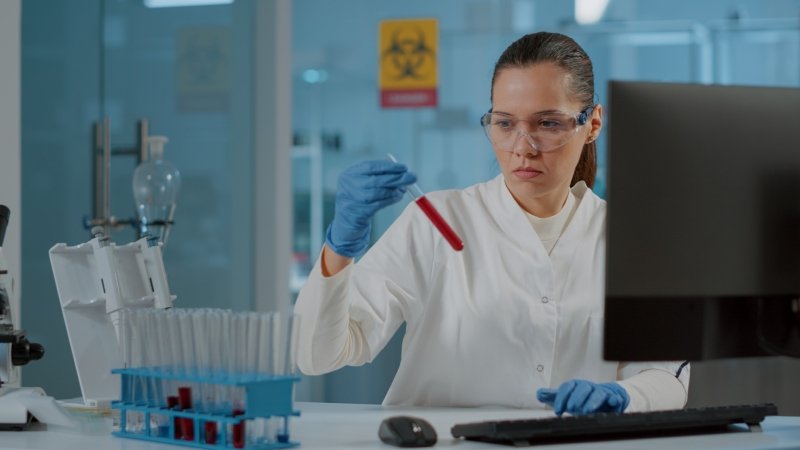
Let’s say you decide to take a DNA test. You buy a kit online or at a store, and when it arrives at your home, you provide a saliva sample by spitting into a tube. You then mail the sample back to the company, which analyzes your DNA and sends the results back to you online. By analyzing the report, you can know many things about yourself that you never knew before.
Most people think these tests are only about finding out where your grandparents came from. That is part of it, yes. But these reports actually go way beyond that. They talk about your hair, your sleep, how you handle coffee, whether vegetables taste too bitter to you, and a bunch of other things that are honestly pretty wild to read about yourself. So, let’s read this blog and understand what traits you can check by performing just a domestic DNA test!
The Stuff You Can See in Yourself
Your Hair
Your genes decide a lot about your hair before you are even born. The color, the texture, and whether it grows straight or curly. A home test looks at these markers and tells what your genes say about your hair. Now, this does not mean your report will match what you see in yourself every morning. People dye their hair. Humidity makes straight hair go wavy. Life happens. But what the test shows you is what your genes were set up to do from the start.
Your Eyes
Eye color works in a similar way. Your genes carry instructions for whether your eyes lean toward brown, blue, green, or hazel. Brown is the most common because that gene tends to take over. But if you carry a blue-eyed gene in your DNA, your kids might end up with blue eyes even if yours are brown. It is kind of like a hidden card in your hand.
Sun and Skin
Ever noticed how some people spend a whole day at the beach and come back with a golden tan, while others go red within an hour? That gap is partly genetic. Your DNA can show whether your skin is more likely to burn than tan. If your report leans toward the burn side, honestly, just keep sunscreen in your bag at all times.
Freckles
Freckles are genetic too. A certain gene makes them more likely to show up on your skin. If you have freckles and always wondered why, now you know it was written in your DNA long before you stepped out in the sun.
Earwax (Yes, Really)
This one always gets people. Your earwax type, whether it is wet or dry, comes from a single gene. That is it. Just one gene decides this. People from East Asian backgrounds mostly have dry earwax. People from European or African backgrounds mostly have the wet kind. And here is the part that surprises everyone: that same gene is also connected to body odor. So your earwax and your body scent actually share a genetic link. Nobody talks about this, but it is real, and it is in your report.
How Your Body Deals With Food and Drinks
Milk and Dairy
A lot of adults feel bloated or uncomfortable after having milk, cheese, or ice cream. This happens because their body stopped making enough of the enzyme that breaks down dairy after childhood. Your genes play a role in whether that enzyme sticks around or fades away. A DNA test can tell you if you carry the version that keeps it working. If you do not, dairy might always give you trouble, and now at least you know why.
Coffee
Some people are totally fine drinking coffee after dinner and falling asleep with no problem. Others have one cup in the morning and still feel it hours later. This comes down to how fast your liver processes caffeine. A gene controls that speed. If you are a slow processor, caffeine stays in your system longer, which means even a small amount can make you feel awake or mess with your sleep. Your test can tell you which side you land on.
Bitter Foods
Do you find broccoli, dark chocolate, or black coffee almost impossible to enjoy? That might not just be a preference. A specific gene affects how strongly you taste bitterness. Some people have a type of this gene that makes bitter flavors taste stronger. Others barely notice it. If vegetables have always tasted harsh and overwhelming to you, there is a high chance your genes are the reason behind it.
Your Body and Exercise
What Your Muscles Are Built For
Your muscles have two main fiber types. One type is built for long, steady activities like running or swimming. The other is built for short, powerful bursts like sprinting or lifting. A gene called ACTN3 determines which muscle fibers are more common in your muscles. Your test gives you a hint about what kind of movement your body naturally leans toward. That said, training and effort still matter way more than your genes here.
Recovery Time
After a tough workout, some people feel fresh the next morning. Others are sore for two or three days. Part of that difference is genetic. Some people carry genes that slow down how fast their muscles heal after strain. If you recognize yourself in this description and your test shows the same, it means your body is demanding more rest.
How You Sleep
Night owl or early bird? This is not just a habit. It is partly inherited in your genes. Certain gene variants push your natural sleep time later into the night. So if you have always struggled to sleep early or wake up in the morning, it might not be laziness. It might just be how your body clock was set up. Knowing this can help you work with your natural rhythm instead of constantly fighting it.
Your Ancestry
Most of the tests show which parts of the world your DNA Test comes from. You might find roots in places you never expected. West Africa, Southeast Asia, the Middle East, or Scandinavia. Sometimes people find out they have a mix of backgrounds that their family never talked about.
One thing worth knowing: different companies use different comparison databases, so two tests on the same person can give slightly different percentages. The broad picture is usually consistent, but the fine details can vary.
What This Test Cannot Do
A home DNA test is not a medical diagnosis. It does not tell you that you will get sick or that something is wrong with you. It shows tendencies, not certainties. Your genes are one piece of the puzzle, not the whole thing. Your habits, your food, your environment, all of that shape who you are just as much.
Use the results as information, not as a verdict.
The Bottom Line
These tests reveal more about your everyday life than most people expect. From how your skin handles sunlight to why coffee hits you harder than your friend, it is genuinely interesting to read. And the more you know about how your body works, the better you can take care of it.