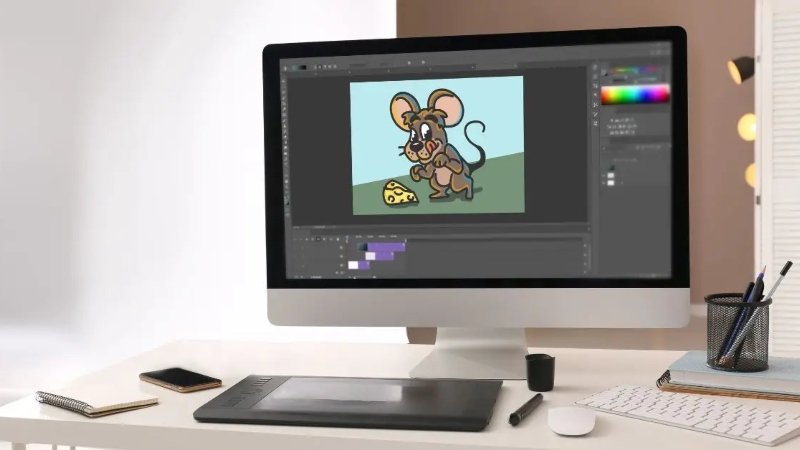
Animation and visual effects are no longer just behind-the-scenes work in movies and games; they are driving the growth of India’s entertainment and gaming industry. Many students are excited by the creative possibilities, but often struggle to identify which animation VFX colleges will equip them with the right skills for real career opportunities.
The global animation and VFX industry currently employs over 2 million people, underscoring the growing demand for trained professionals. This makes it essential for students to choose a college that combines practical experience with industry-standard training, so they can confidently step into the professional world. In this blog, you’ll find practical guidance to select an animation and VFX course that matches your skills and career goals.
Understanding the Scope of Animation and VFX Careers
The animation and VFX industry is more than drawing or using software. Success in this field depends on a mix of artistic skill, technical knowledge, and storytelling ability. These careers give creative professionals the chance to shape worlds, tell compelling stories, and bring characters to life on screen.
Common career paths include:
- 2D and 3D Animators: Professionals who design and animate characters, objects, and environments.
- VFX Artists: Specialists who create realistic effects, from explosions to natural phenomena.
- Game Designers and Developers: Creatives who build interactive game worlds and engaging user experiences.
- Motion Graphics Designers: Designers who produce visuals for advertisements, films, and digital media.
Students benefit most from colleges that offer hands-on experience, training on industry-standard software, and real-world projects. The right course equips them with practical skills and prepares them for careers in a growing industry.
Factors to Consider When Choosing an Animation or VFX College
The Indian AVGC (Animation, Visual Effects, Gaming, and Comics) sector currently employs around 2.6 lakh professionals and is expected to create over 23 lakh jobs by 2032, highlighting the growing demand for skilled graduates. With such opportunities, choosing a college that provides hands-on training and real project experience is crucial.
Selecting the right institution shapes both practical skills and career prospects, so students should carefully evaluate factors that ensure industry-relevant learning and exposure.
1. Curriculum and Specialisations
The first step is examining the courses offered. Some colleges focus on general animation, while others provide specialisations like:
- 3D modelling and texturing
- Character animation
- Visual effects for film and TV
- Game design and development
Look for programmes that offer a balance between technical training and creative development. The best courses include project-based learning, allowing students to build portfolios while still studying.
2. Faculty and Industry Experience
Experienced faculty can provide invaluable insights and mentorship. Check if instructors have:
- Worked in animation studios or VFX houses
- Collaborated on major film or game projects
- Published work in industry journals or platforms
Teachers with professional experience can guide students beyond textbook knowledge, preparing them for real-life project challenges.
3. Infrastructure and Software Access
Modern animation and VFX require powerful hardware and up-to-date software. Check whether the college provides:
- High-end computers with graphic capabilities
- Software like Maya, Blender, Adobe After Effects, or Nuke
- Dedicated labs for 2D, 3D, and VFX work
Access to industry-standard tools ensures students gain practical skills that employers expect.
4. Industry Connections and Internship Opportunities
A college’s network can significantly impact career outcomes. Look for colleges that:
- Have tie-ups with studios or production houses
- Offer internship programs with recognised companies
- Organise workshops or masterclasses with industry professionals
These opportunities provide students with practical experience and enhance their employability.
5. Alumni Success and Placements
Research the achievements of former students. Alumni success stories often reflect the quality of education and opportunities offered. Key indicators include:
- Alumni working in top studios or production houses
- Graduates participating in international projects
- Recognition through awards or competitions
Colleges with strong placement records generally maintain better industry relations, giving students a professional edge.
Top Courses to Consider in Animation and VFX
Students should choose courses aligned with their career goals. Some popular options in India include:
1. Bachelor of Fine Arts (BFA) in Animation or VFX
A BFA provides a strong foundation in art, design, and animation principles. Students develop skills in:
- Drawing, painting, and design
- Digital animation techniques
- Storyboarding and concept art
BFA programmes often last three to four years and are ideal for students looking for comprehensive training.
2. Diploma or Certificate Courses
Shorter programmes are perfect for students wanting to focus on specific skills. They usually range from six months to two years and cover:
- 3D animation
- VFX for films and commercials
- Game art and design
These courses can be more affordable and flexible, making them suitable for students who wish to start working sooner.
3. Postgraduate Courses in Animation and VFX
For students who have completed an undergraduate degree, postgraduate courses offer advanced training. These programmes often emphasise:
- Technical mastery of software
- Advanced character animation
- Cinematic VFX techniques
Such courses are beneficial for students aiming for leadership or specialist roles in studios.
How to Assess Animation and VFX College Reputation?
A college’s reputation often influences both the quality of learning and career prospects. Consider these factors:
- Academic reputation: Look for colleges recognised by universities or accrediting bodies.
- Faculty credentials: Experienced educators often indicate quality teaching.
- Student achievements: Awards in competitions or film festivals reflect strong guidance.
- Alumni success: Graduates in major studios demonstrate the college’s industry relevance.
Check academic recognition, faculty experience, student awards, and alumni working in top studios, as these reflect teaching quality and industry relevance.
Fees, Scholarships, and Financial Considerations
Animation and VFX courses can vary significantly in cost. While some colleges may charge premium fees, scholarships and financial aid can reduce the burden. Students should:
- Compare fees across multiple colleges
- Check for scholarships based on merit or financial need
- Consider instalment options for tuition payment
Balancing cost with quality ensures students invest wisely in their education.
Life Beyond the Classroom: Campus and Support Systems
Campus life plays a key role in shaping both learning and personal development. Beyond academics, students benefit from an environment that encourages creativity, collaboration, and professional growth. Look for colleges that offer:
- Creative clubs and societies: Opportunities to practice skills and collaborate on projects outside the classroom.
- Art exhibitions, competitions, and film screenings: Platforms to showcase work, gain feedback, and stay inspired.
- Libraries, digital resources, and mentorship programs: Access to reference material, software, and guidance from experienced faculty or industry professionals.
- Career guidance and counselling: Support in planning pathways, internships, and portfolio development.
A supportive campus nurtures talent, builds confidence, and prepares students for the demands of the animation and VFX industry.
Key Questions to Ask Before Making a Decision
When visiting VFX Colleges or attending open days, students should ask:
- What software and tools will I learn?
- How many industry projects are included in the curriculum?
- Can students access internships or live studio work?
- What are the placement statistics for recent graduates?
- How does the college help students develop a professional portfolio?
Clear answers to these questions provide insight into both academic quality and career readiness.
Tips for Students from Central India
Students from Madhya Pradesh and neighbouring regions may face unique challenges, such as relocation or limited access to specialised institutes. Here are some tips:
- Explore colleges in larger cities: Institutions in Mumbai, Pune, and Bangalore often have better resources and industry connections.
- Look for local branches or partnerships: Some national colleges offer regional campuses or online support.
- Plan for accommodation and living expenses: Factor these into the overall budget.
- Attend workshops or short courses locally: Even regional art schools may provide useful exposure before committing to a full programme.
With careful planning, students from Central India can access the same opportunities as those in metropolitan hubs.
Building an Industry-Ready Portfolio
A strong portfolio is essential for launching a career in animation or VFX Colleges. Colleges that focus on portfolio development help students:
- Showcase diverse skills: From concept art and storyboarding to fully realised animations.
- Highlight creativity and technical ability: Demonstrating both artistic vision and software proficiency.
- Demonstrate practical problem-solving: Applying skills to real-world projects and challenges.
- Develop a personal style: Encouraging originality and creative identity.
- Receive professional feedback: Regular critique sessions refine work and prepare students for studio standards.
- Document collaborative projects: Showing teamwork and project management experience.
Students should select programmes that provide ongoing guidance and ample opportunities to build a strong, professional portfolio that impresses studios and employers.
Balancing Creativity with Technical Skills
Success in animation and VFX Colleges requires both artistry and technical competence. A good college ensures students:
- Understand principles of animation and design
- Gain proficiency in software tools
- Learn production workflows for films, advertisements, and games
The combination of creative thinking and technical execution prepares students for roles in studios, gaming companies, and digital media.
Final Thoughts
Choosing the right animation VFX Colleges is essential for building a successful career. Students should prioritise curriculum quality, specialised courses, experienced faculty, industry connections, infrastructure, software access, and alumni placement records to ensure practical and relevant learning. Contact Us
Careful research, campus visits, and course evaluation help students from Central India make informed decisions. By selecting colleges that emphasise hands-on experience and exposure to professional projects, students can develop the skills needed for animation, VFX, game design, and related fields. The right college provides a solid foundation for a career in the creative industry.