Table of Contents
- Historical Significance
- Types of Lapel Pins
- Design and Crafting Process
- Symbolism and Uses
- Collectibility and Trends
- Caring for Your Lapel Pins
- Conclusion
Lapel pins have long transcended their role as simple fashion accessories, becoming treasured emblems of identity, unity, and accomplishment across many cultures. Whether pinned to a suit for an awards ceremony or sported on a backpack as a sign of allegiance, custom lapel pins tell unique stories and serve a wide range of prestigious and personal functions. With a fascinating heritage and evolving role in society, these small metallic forms continue to symbolize much more than meets the eye. Their craft and symbolism interweave tradition, modern utility, and meaningful narrative, making each pin a tangible representation of values, milestones, and affiliations.
As interests and tastes shift, lapel pins remain flexible canvases for businesses, social causes, and collectors alike. From corporate boardrooms to grassroots campaigns, their discreet presence delivers unmistakable messages of commitment and community. Designing and creating custom lapel pins involves combining artistic creativity with expert craftsmanship. This allows organizations and individuals to turn concepts into tangible symbols worth collecting and cherishing. For a deeper dive into the historical evolution of pins and military medals, readers can explore resources from the Smithsonian Magazine.
Historical Significance
Lapel pins, or their early equivalents, trace their roots back to the Roman Empire. The fibulae not only helped to fasten garments but also indicated one’s social standing and achievements. As eras shifted, these modest accessories took on broader roles, becoming decorative insignias that could express loyalty, valor, or personal accomplishment. By the nineteenth and twentieth centuries, lapel pins were prominently used by military organizations, schools, and clubs to distinguish group members and honor notable contributions. The layered meanings inherent to these pieces continue to add depth to modern-day designs.
Types of Lapel Pins
Today’s custom lapel pins come in a variety of materials, finishes, and production techniques, each offering distinct advantages for various occasions and needs:
- Hard Enamel Pins:These offer a glossy, highly polished finish that is both elegant and hard-wearing, ideal for formal events and professional use.
- Soft Enamel Pins:Their textured surface and bright color palette make them popular for promotional pieces and casual settings.
- Die-Struck Pins:These classic, colorless pins rely on dimensional relief to bring logos and designs to life, letting the beauty of the metal shine through.
- Printed Pins:Best suited for intricate graphics, these pins can reproduce virtually any image, including detailed artwork and gradients.
Design and Crafting Process
Creating a custom lapel pin blends artistry with precise engineering. The process typically includes:
- Design:The pin’s purpose, size, and detail level influence the sketching of its initial concept. Graphic designers translate ideas into digital blueprints.
- Molding:Using the final design, artisans develop molds that will guide the shaping of the metal base.
- Stamping:Sheets of metal undergo stamping to form the body of the pin, capturing every detail from the mold.
- Plating:A metallic coating is applied, which may be gold, silver, or even vintage black nickel, giving the pin a specific finish.
- Color Filling:Soft or hard enamel is precisely placed into recessed sections and then baked for durability and luster.
- Polishing:Pins are meticulously polished to achieve the required shine and smoothness.
- Attachment:The addition of a sturdy backing (such as a butterfly clutch or magnetic clasp) ensures secure wear.
Symbolism and Uses
Lapel pins speak volumes in just a square inch of metal, carrying layered meanings for different groups:
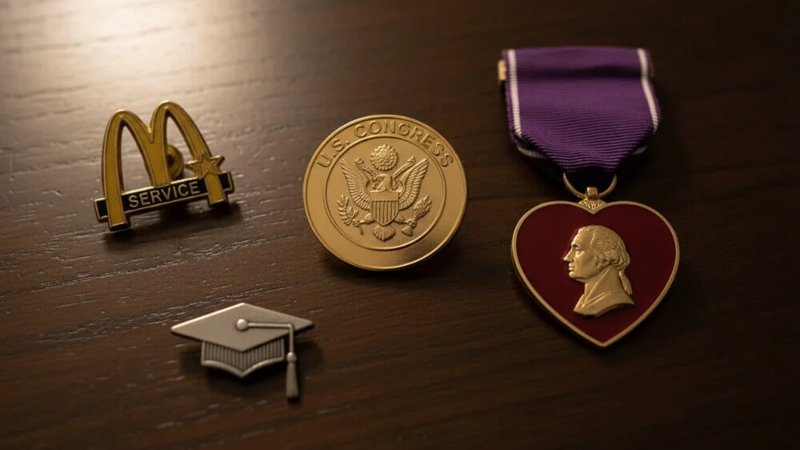
- Corporate Identity:Businesses use pins to foster pride and unity among employees or to commemorate years of service and success milestones.
- Political Affiliation:Historically and currently, these pins have helped reinforce messages of support for parties, policies, and campaign movements.
- Military Honors:Recognizing rank, distinguished service, and acts of valor, pins uphold tradition and respect in armed services worldwide.
- Social Causes:Nonprofits regularly issue pins to thank donors and raise awareness for causes, with symbols that often become globally recognizable.
Collectibility and Trends
Enthusiasts have cultivated a thriving collector culture around lapel pins. Pins linked to special events (like the Olympics), limited editions, or significant cultural moments often increase in value and rarity. Artistically customized pins have also become a canvas for independent creators and popular brands who wish to mark anniversaries, collaborations, or cultural references. More recently, lapel pins have experienced a design renaissance, appearing not only in fashion-forward outfits but in digital communities where creators and collectors exchange, trade, and showcase their prized pieces. Visit World Fluxora for more information.
Caring for Your Lapel Pins
To keep lapel pins vibrant and untarnished, basic care is essential:
- Keep pins in a cool, dry location out of direct sunlight to avoid discoloration and fading.
- Clean gently with a soft, non-abrasive cloth to preserve the finish and remove any dirt or fingerprints.
- Avoid exposing pins to water, chemicals, or high humidity to protect metal plating and enamel detailing.
Conclusion
Custom lapel pins represent more than a decorative touch. They are touchstones of history, symbols of loyalty, artful commemorations, and cherished collectibles. Whether used to promote business identity, honor achievements, or support cherished causes, lapel pins bridge the past and present, individuality and community, making them enduring emblems of expression and connection.